


Prostatitis is one of the most common urological diseases.No person is immune from it and the likelihood of its occurrence increases with age.What treatment does modern medicine offer?

What is the prostate?
The prostate or prostate gland is a gland of the male reproductive system.With its relatively small size, it fulfills an important function: it is involved in the production of seminal fluid, namely in the production of a secretion that is responsible for the motor activity of the sperm.
Where is the prostate located?
In men, the prostate is located in the pelvis below the bladder, around the urethra.Therefore, the first signs of inflammation of the prostate can be suspected as difficulty urinating.
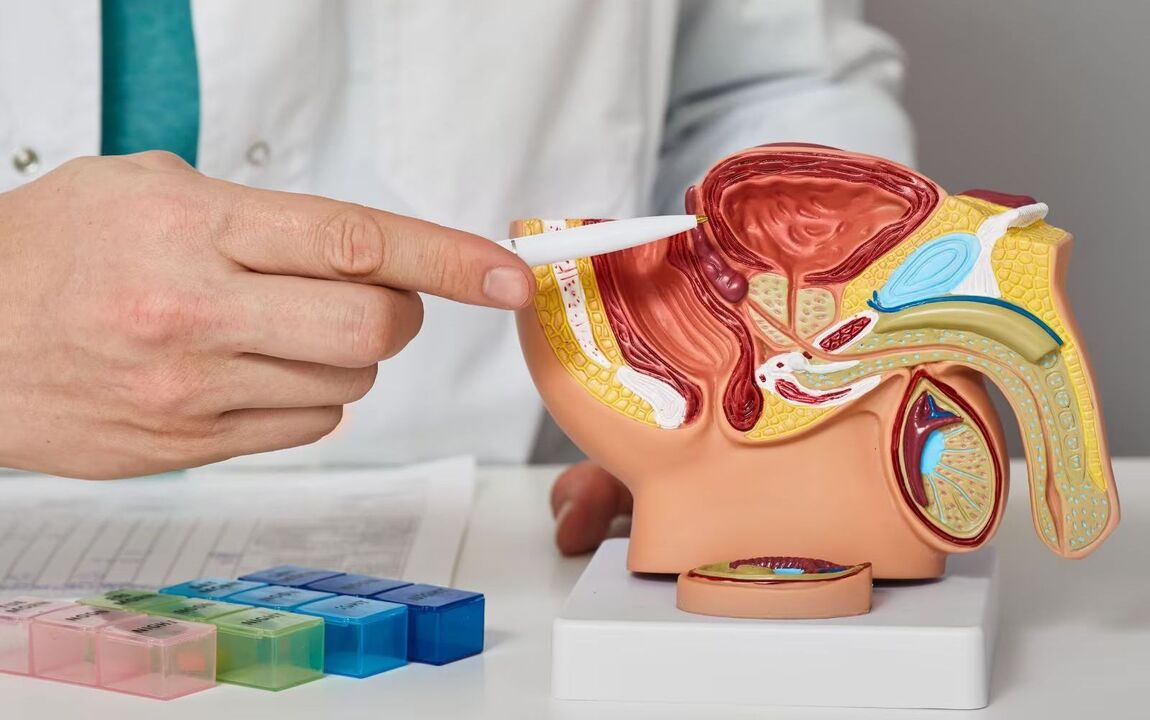
What is Prostatitis?
Prostatitis is an inflammation of the prostate.It can manifest itself acutely or become chronic.Typically, the disease occurs against the background of weakened immunity and under the influence of various negative factors:
- bacterial and viral urinary tract infections;
- persistent hypothermia;
- physical inactivity;
- alcohol abuse and smoking;
- sexually transmitted diseases;
- chronic fatigue;
- persistent stress;
- hormonal disorders;
- Failure to comply with personal hygiene rules.
Signs of prostatitis
The symptoms of acute prostatitis manifest themselves in fairly similar ways in most men:
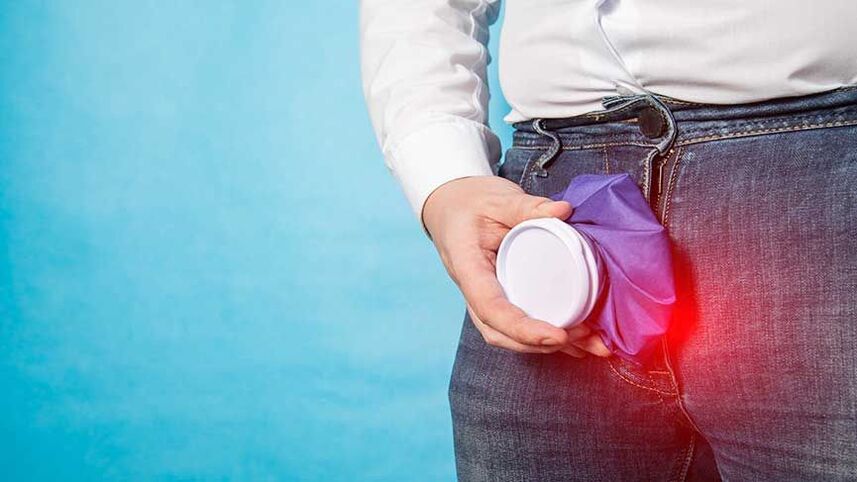
- pain and burning when urinating;
- frequent urination;
- Pain of varying intensity and duration in the abdomen, pelvic organs and groin;
- decreased sexual activity, pain during and after sexual intercourse, premature and painful ejaculation, erectile dysfunction;
- cloudy urine and bloody discharge in the urine;
- temperature increase;
- Nervousness, depression.
If the symptoms of prostatitis do not disappear within three months, most likely this is a chronic form of the disease.Depending on the causes and manifestations of symptoms, chronic prostatitis can be:
- Bacterial (caused by a bacterial infection).Unpleasant sensations can pass and recur over a long period of time, but without appropriate treatment they become increasingly severe and can lead to dangerous complications.
- Abbacterial (a type of disease in which tests may not show inflammation).Diagnosis based on characteristic symptoms to the exclusion of other diseases.
- Asymptomatic (calculated as a result of tests for other diseases and does not manifest itself in any way).
Diagnosis of prostatitis
Diseases of the urinary system in men are often accompanied by similar symptoms.Therefore, for an accurate diagnosis of prostatitis and effective treatment, you must consult a doctor.He will carry out an examination which may include:
- digital rectal examination;
- urine and blood tests;
- Ultrasound of the urinary system;
- urodynamic testing;
- testing for infections;
- Analysis of prostate secretion.
Treatment of prostatitis
Depending on the cause, different medications can be used to treat the condition.
Antibiotic therapy is used to treat the infection that causes the disease.In the acute form of the disease, high-dose medication is prescribed for one to two weeks;In the chronic form, low doses are prescribed over a longer period of time.

Pay attention!Only a doctor can prescribe antibiotics (like other medications) after accurately identifying the causative agent of the infection.Self-medication can lead to even greater health problems.
Alpha-blockers are prescribed for problems with urination caused by spasms of the urethra and the smooth muscles of the bladder and ureters.These drugs slow the transmission of nerve impulses to receptors that cause smooth muscle spasms, help reduce pressure in the urethra and make urination easier.To relieve pain, doctors may prescribe nonsteroidal anti-inflammatory drugs.
In addition, to alleviate the disease, doctors often prescribe hormonal drugs - they block the work of male sex hormones and help reduce swelling and relieve pain.
To treat chronic prostatitis, products based on prostate extract are used.They have a comprehensive normalizing effect on the prostate and relieve unpleasant inflammatory symptoms.
Some herbal remedies also work against prostatitis: they relieve pain and inflammation and also strengthen the immune system.These include preparations with an extract from the fruits of the creeping palm as well as preparations based on biomass from silkworm larvae.
Complications and prevention
Advanced prostatitis can subsequently lead to erectile dysfunction and even infertility.In addition, long-term inflammation of the prostate can develop into serious diseases such as benign and malignant neoplasms.Therefore, it is so important to contact a urologist in a timely manner when symptoms of prostatitis appear, and also not to forget about the following precautions:

- pay attention to personal hygiene;
- lead an active lifestyle;
- eat a balanced diet;
- strengthening immunity;
- give up bad habits;
- treat diseases in a timely manner and regularly visit a urologist;
- Reduce stress.
Unfortunately, men in our country tend to postpone visiting the doctor and treatment until the unpleasant symptoms become unbearable and sometimes very painful.This causes the treatment process to become more complex, lengthy and often ineffective.Don't delay your trip on vacation.Pay attention to your health and get diagnosed in a timely manner.